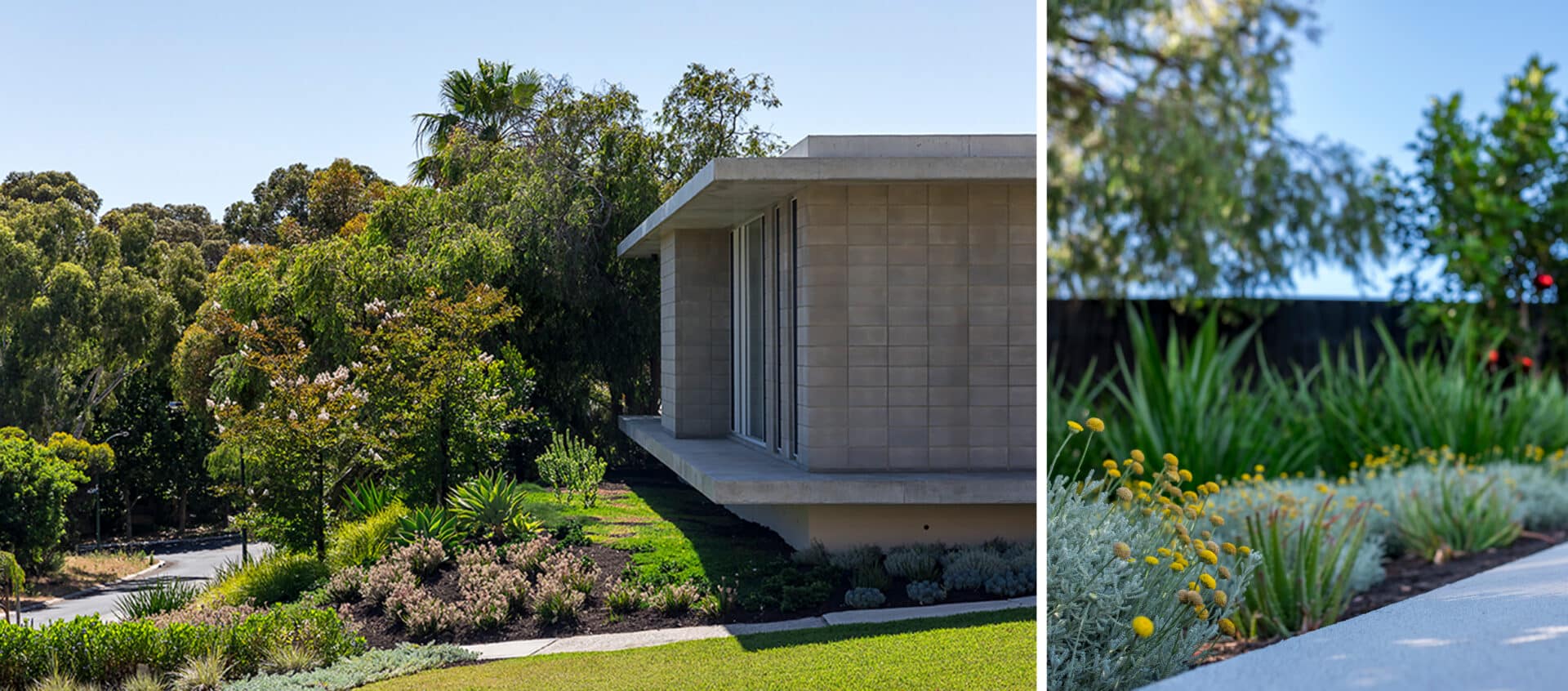
Colour is one of the most powerful tools in landscape design, influencing how a garden is experienced throughout the year. While many gardens rely on seasonal flowering displays, the most successful landscapes are designed to maintain interest long after blooms have faded. In Perth’s Mediterranean climate, winter presents an important opportunity to establish the foundations for year-round colour. Cooler temperatures and seasonal rainfall create ideal conditions for planting, allowing landscapes to establish before the demands of summer arrive.
At Tim Davies Landscaping, colour is never treated as a seasonal addition. It is considered from the earliest stages of design, integrated through planting structure, foliage, texture and seasonal succession. The result is a landscape that remains vibrant, balanced and engaging across every season.
This article explores how colour is designed into high-performing residential landscapes and why winter is often the ideal time to begin planning for year-round garden interest.
Winter: Establishing the Framework
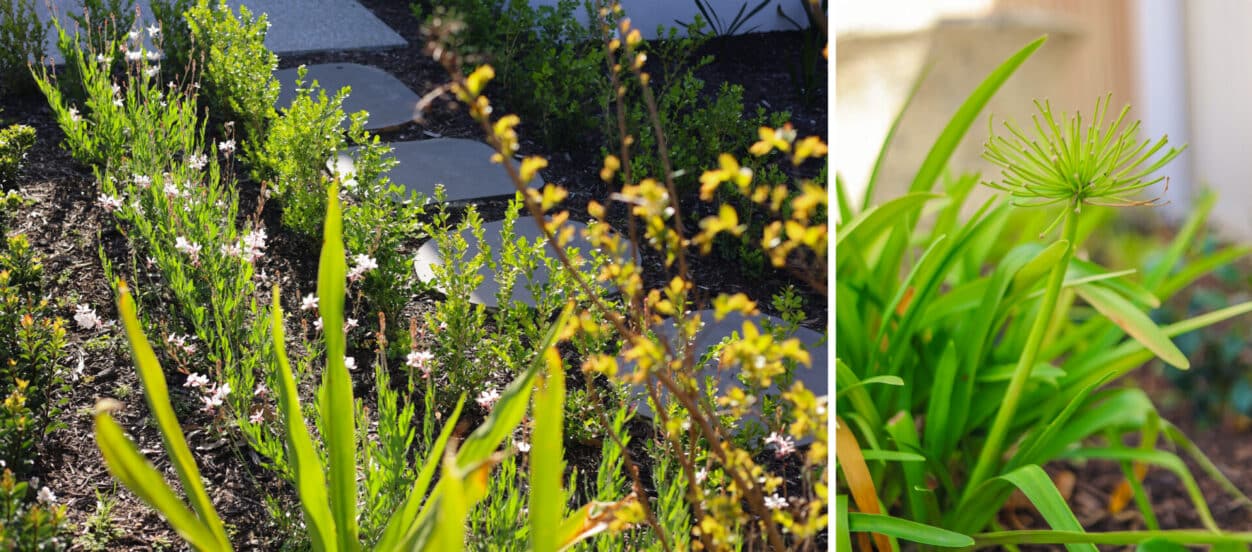
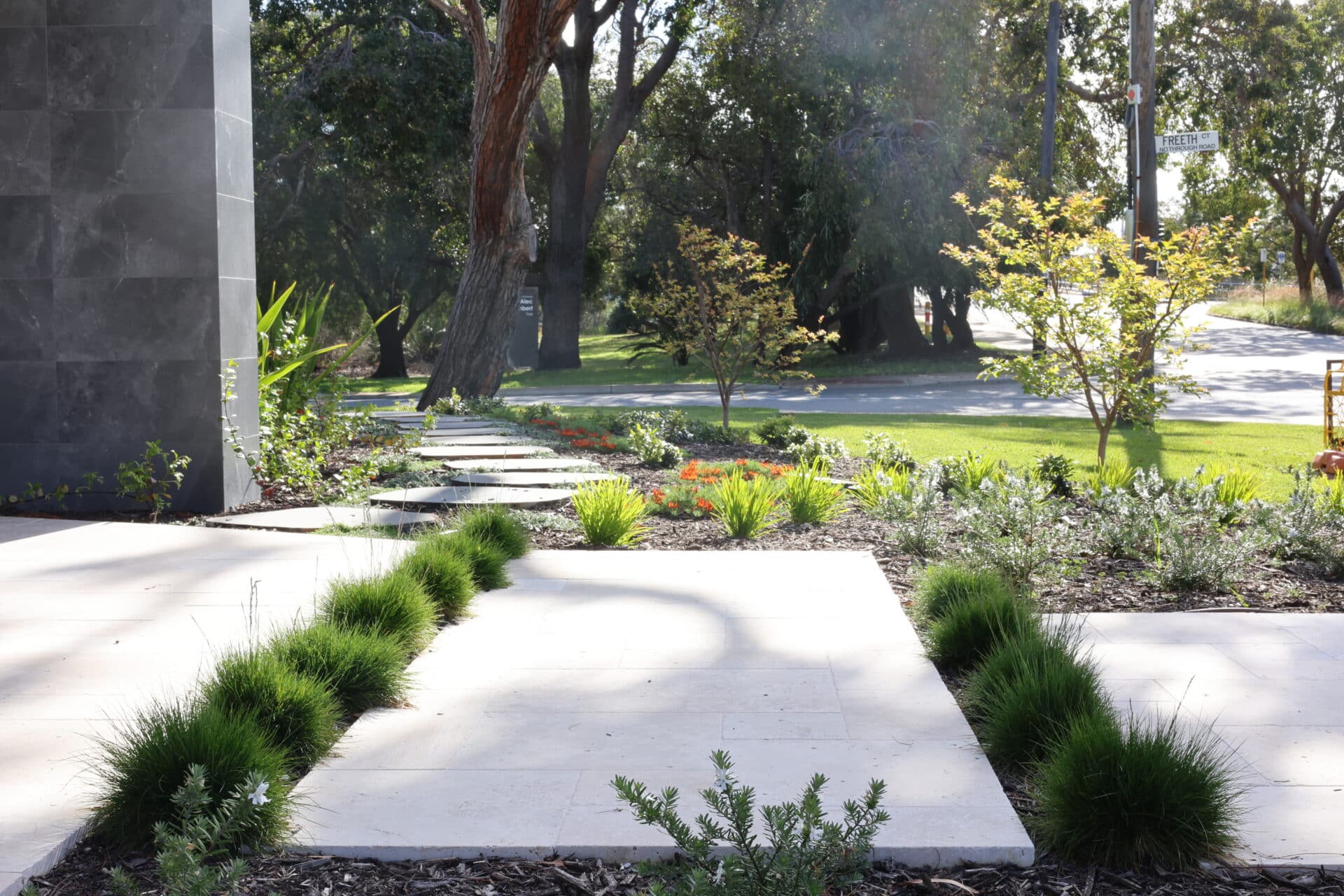
Winter is less about display and more about structure. Evergreen planting, architectural forms and layered greenery provide consistent colour and define the garden’s framework. Silvery foliage, deep greens and textural species ensure visual presence even in quieter months, setting the foundation for seasonal variation. At TDL, winter is often when the framework of a garden is established, creating the structure that allows colour to evolve naturally throughout the year.
Spring: Introducing Seasonal Energy
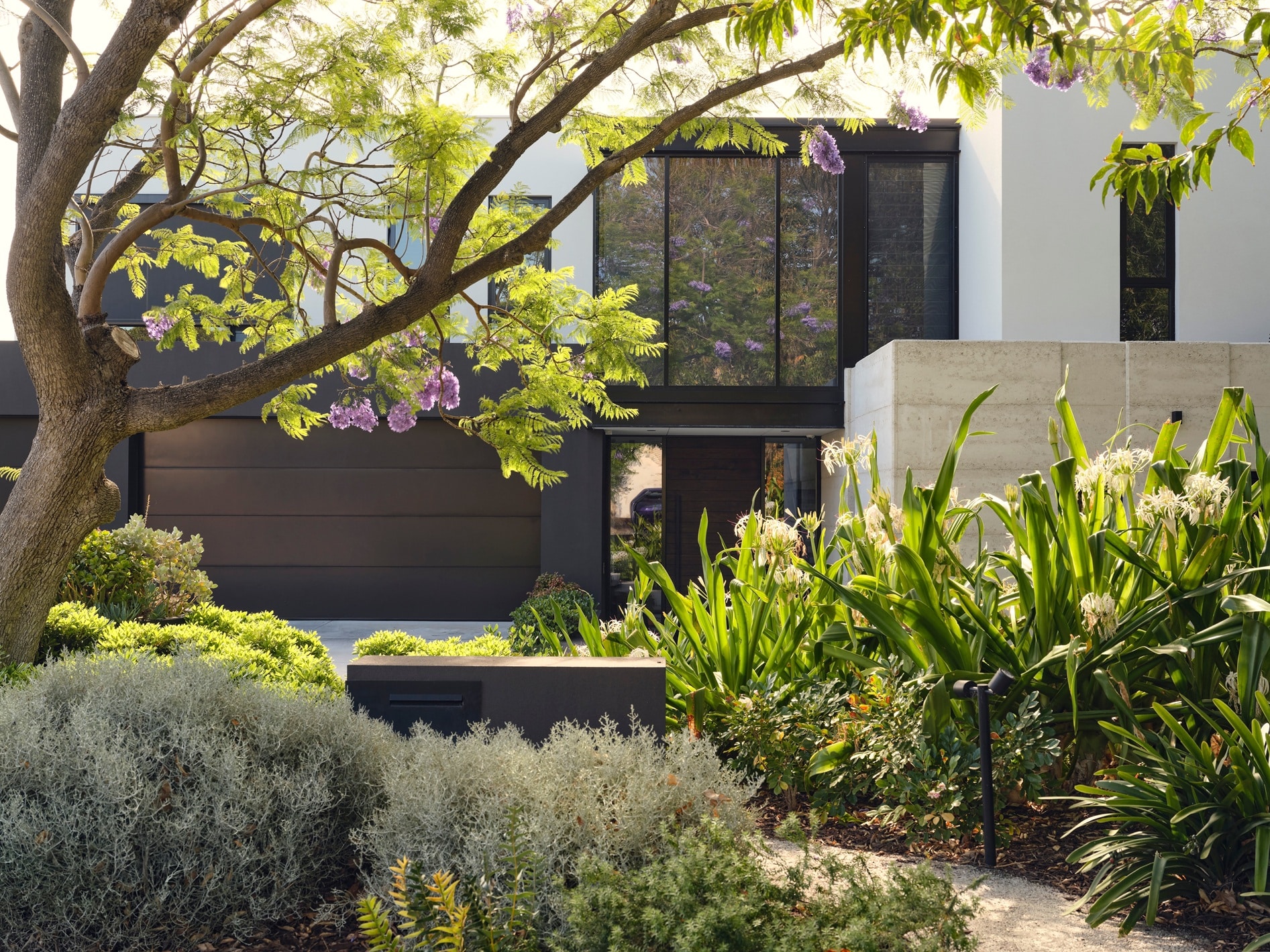
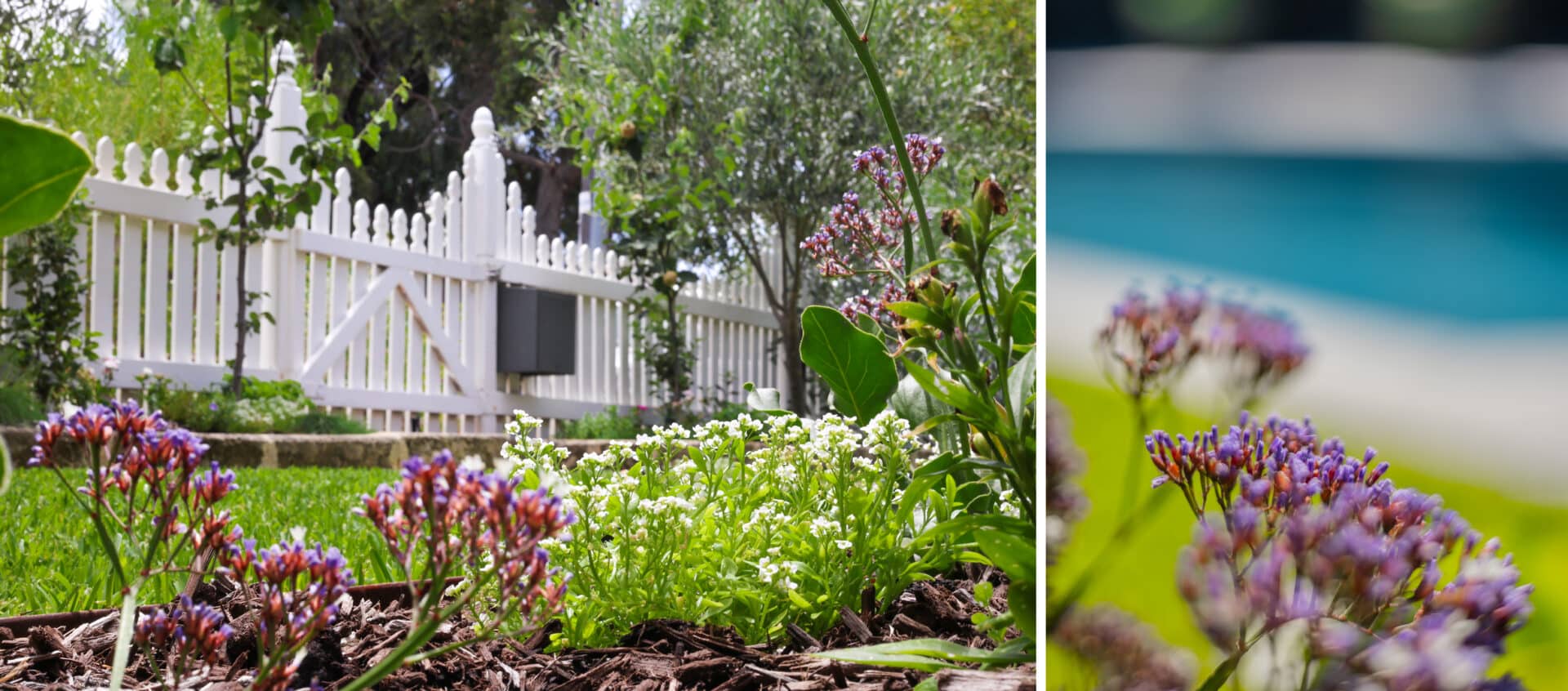
Spring brings renewed growth and increased flowering activity across the landscape. Fresh foliage, flowering perennials and native species introduce moments of colour and vitality throughout the garden. While spring often delivers the most noticeable seasonal display, successful gardens are not reliant upon it. Instead, flowering is carefully integrated into a broader planting strategy, ensuring colour complements rather than dominates the landscape. By balancing flowering species with evergreen structure and textural planting, gardens maintain visual strength long after spring has passed.
Summer: The Importance of Foliage
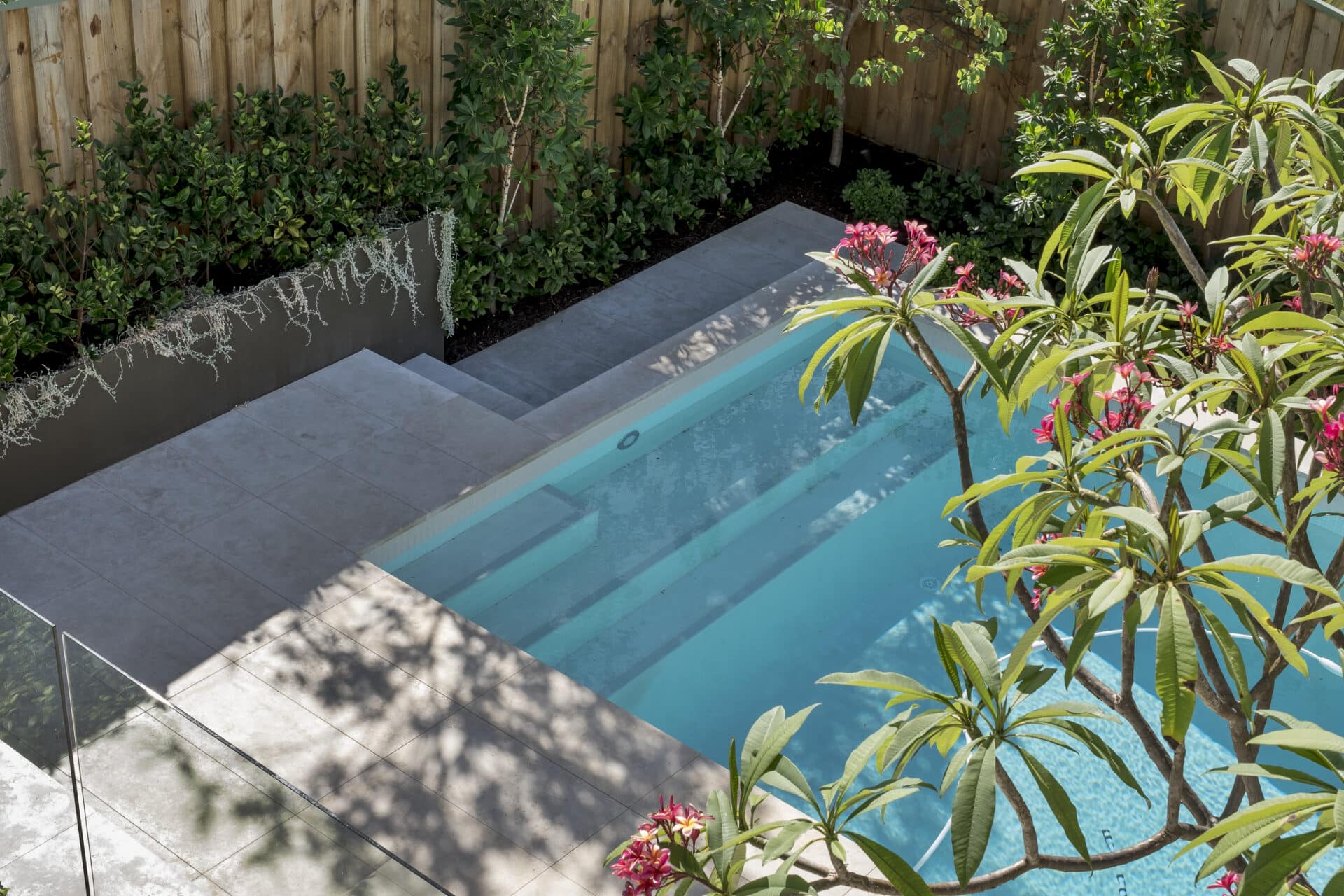
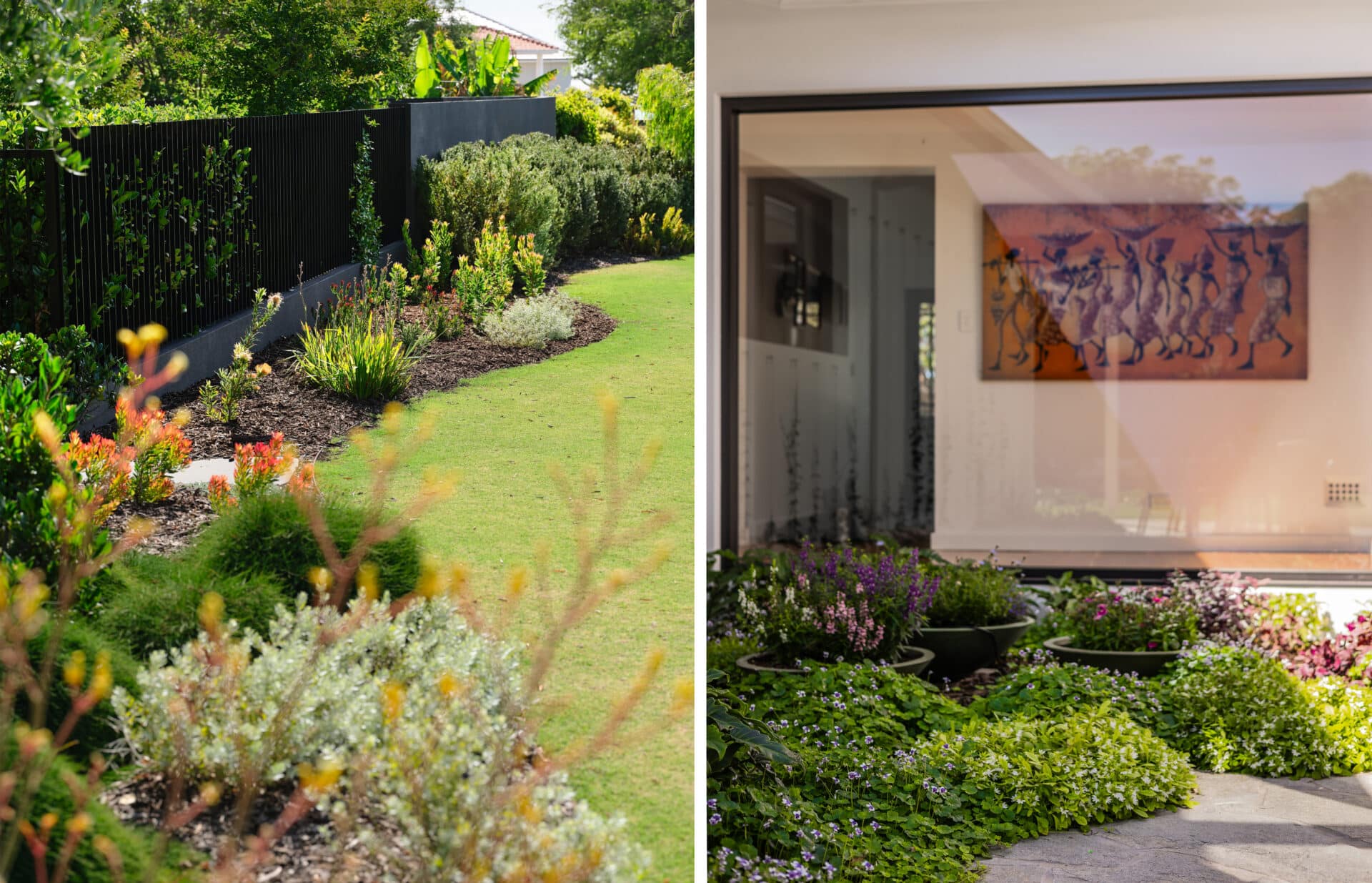
Perth’s summers place significant demands on the landscape. High temperatures and prolonged dry periods require planting selections that remain visually effective while performing reliably. During this season, foliage becomes the primary contributor to colour. Silver-leafed shrubs, blue-grey planting and fresh green forms create contrast, movement and visual cooling within the landscape. These illustrated gardens demonstrate how carefully selected foliage can provide year-round colour without relying on intensive flowering displays. Through considered plant selection, the landscape remains vibrant even during the harshest months of the year.
Autumn: Creating Depth and Transition
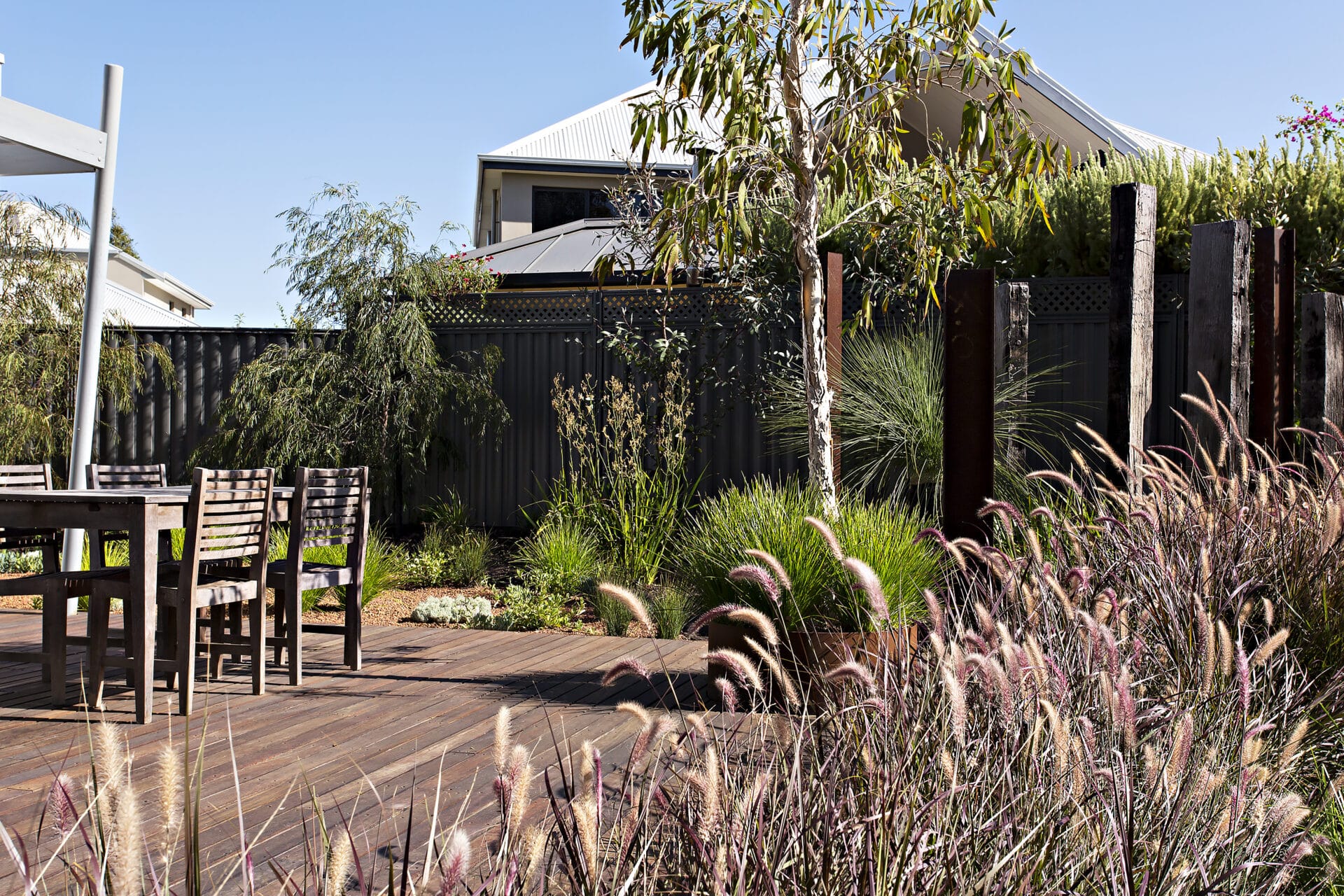
Autumn brings subtle shifts in tone and density. As planting matures, gardens develop richness and layering, creating depth without relying on flowering. This transition reinforces the structural integrity established in winter. Well-designed gardens continue to evolve during autumn, maintaining interest through layering, texture and spatial composition rather than relying solely on flowering.
Colour Beyond Flowers
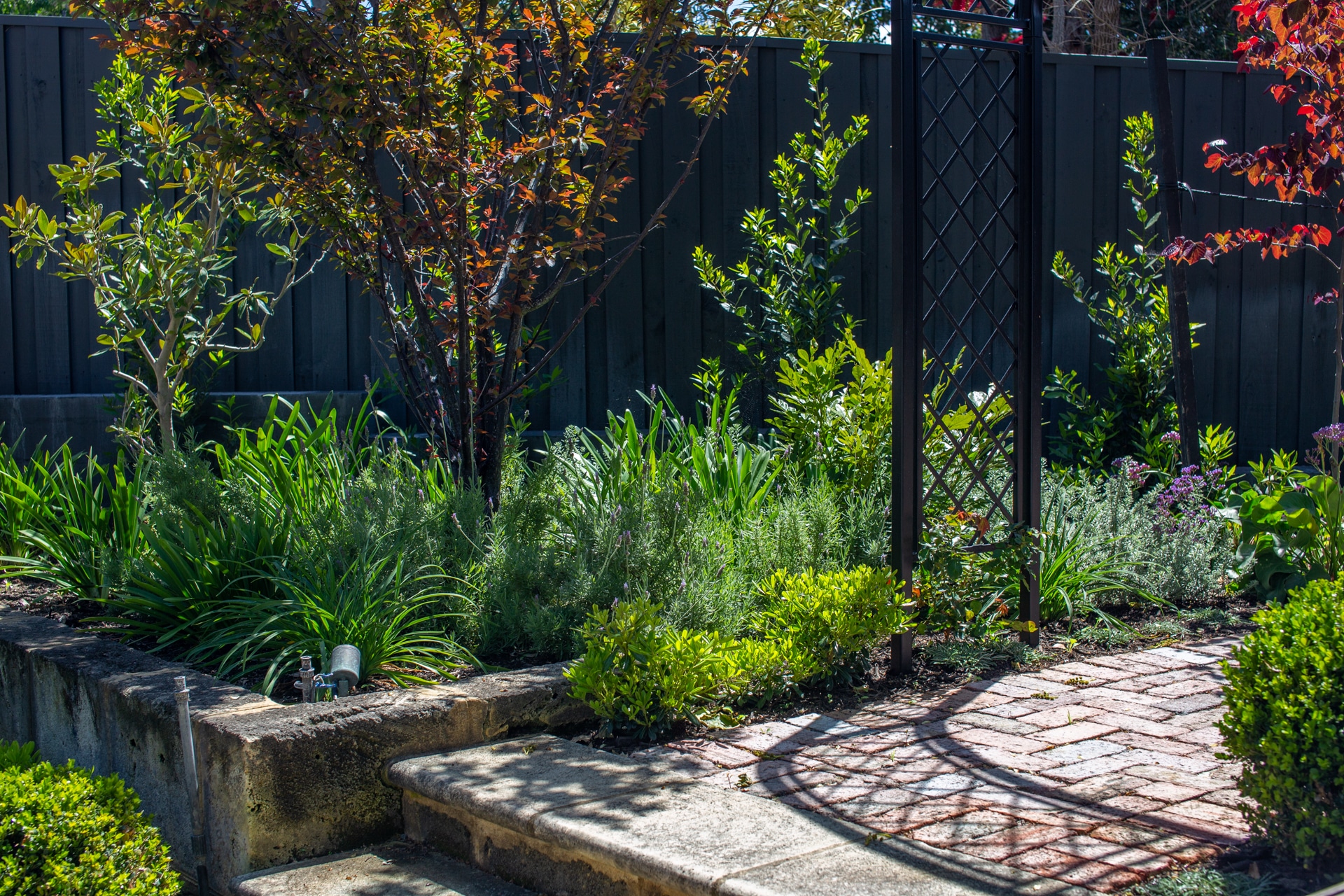
When discussing colour in the garden, flowers are often the first consideration. However, lasting colour relies just as heavily on foliage tone, texture and contrast. Fresh greens, silver foliage, lime-toned shrubs and deep evergreen planting create a stable visual foundation throughout the year. These elements provide continuity across seasons while allowing flowering displays to feel intentional and considered.
In Perth’s strong light conditions, restraint is often more effective than abundance. Carefully controlled colour palettes create landscapes that feel calm, cohesive and connected to their architectural setting.
Layering for Year-Round Interest
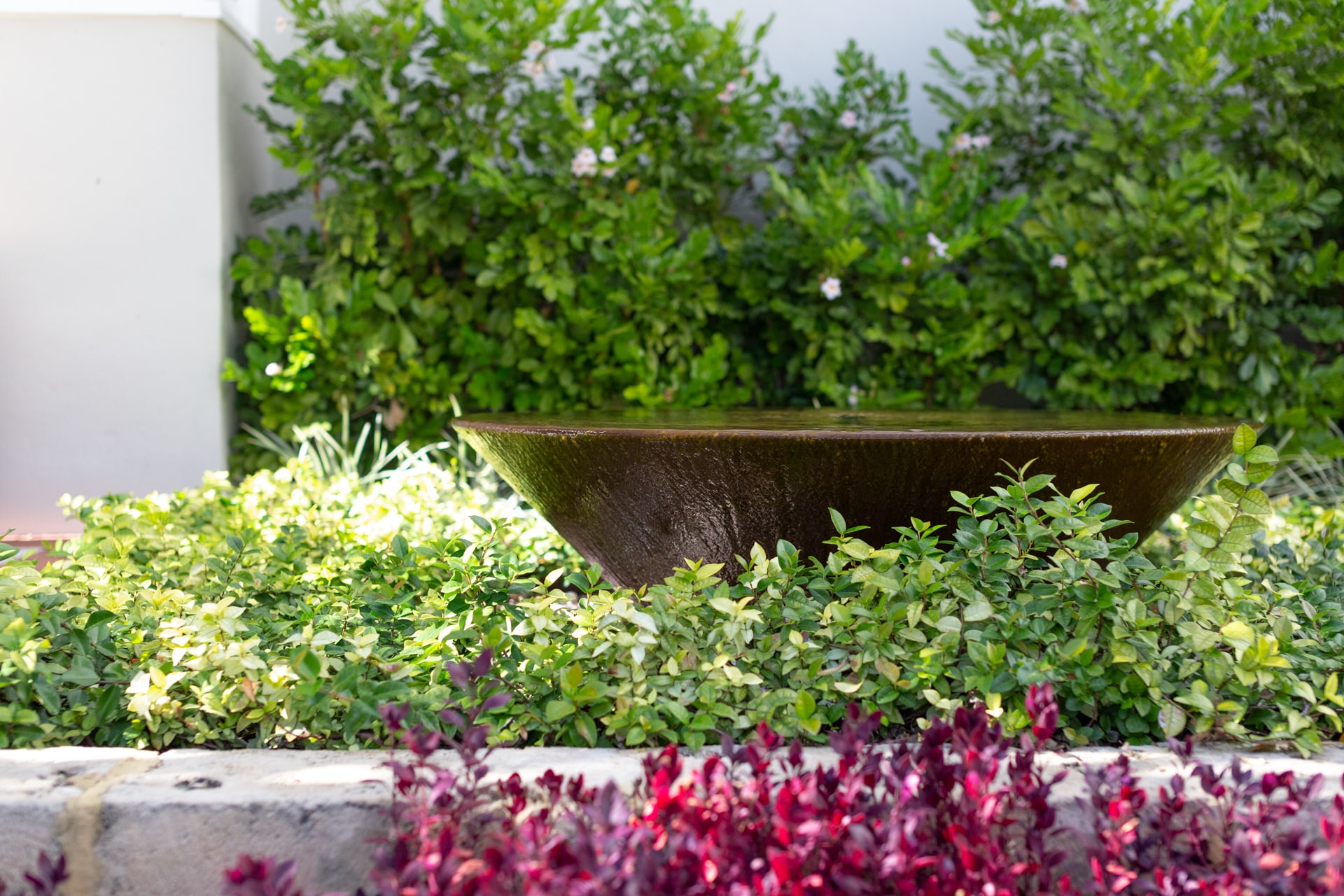
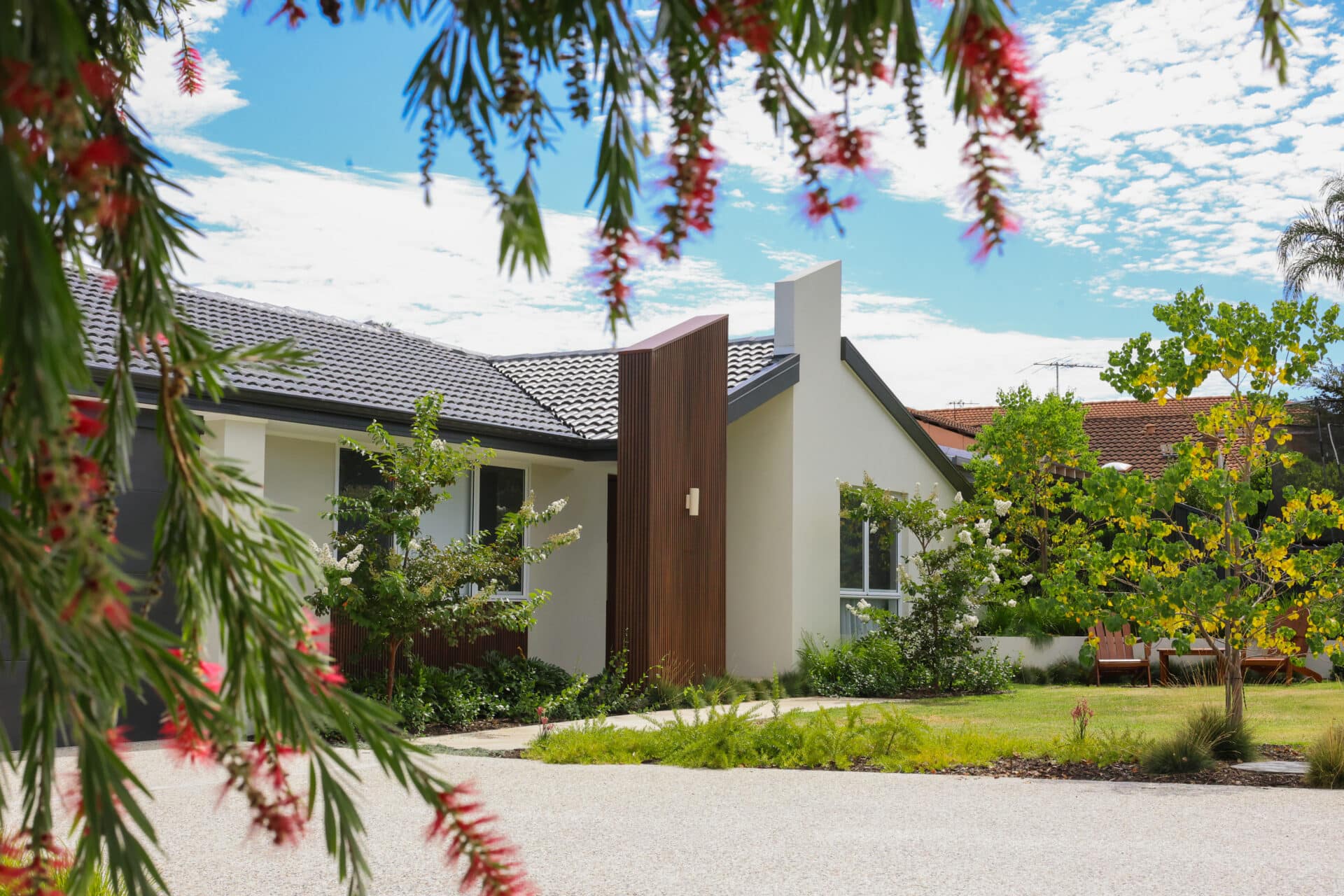
Successful gardens are designed with layers that create depth, visual interest and year-round appeal. Groundcovers add texture and colour at the garden edge, while flowering perennials introduce seasonal variation, movement and biodiversity. Shrubs provide structure, volume and enclosure, helping to define outdoor spaces, while carefully selected trees establish canopy cover, shade, scale and seasonal character.
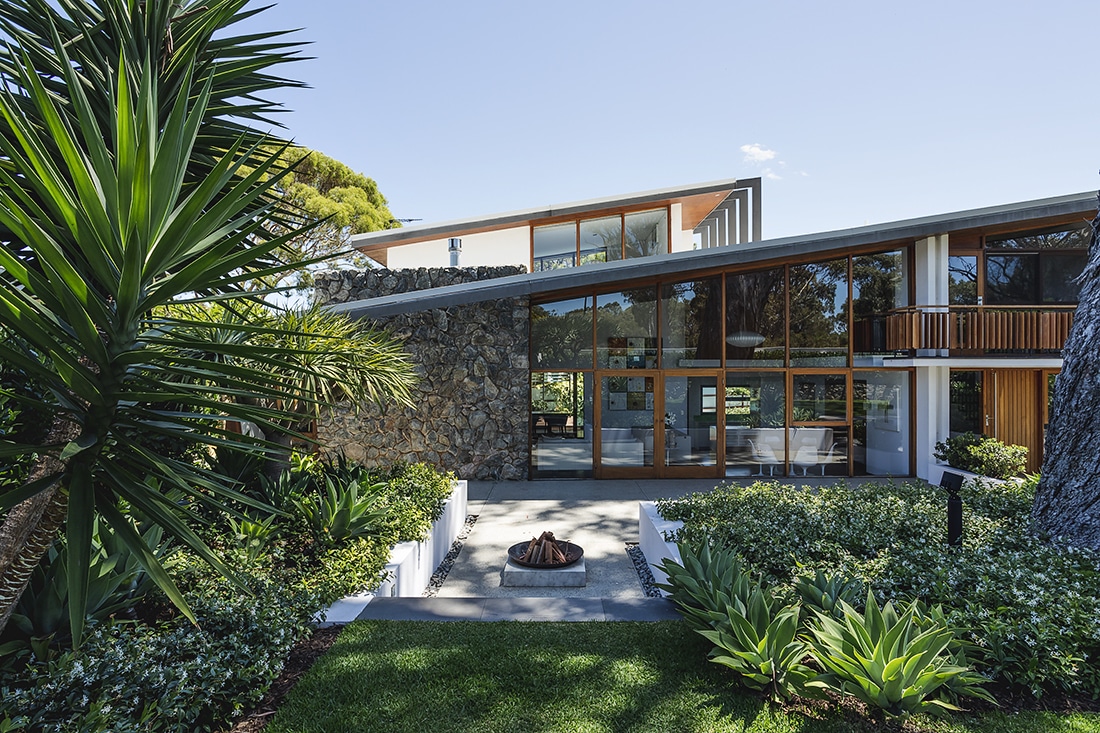
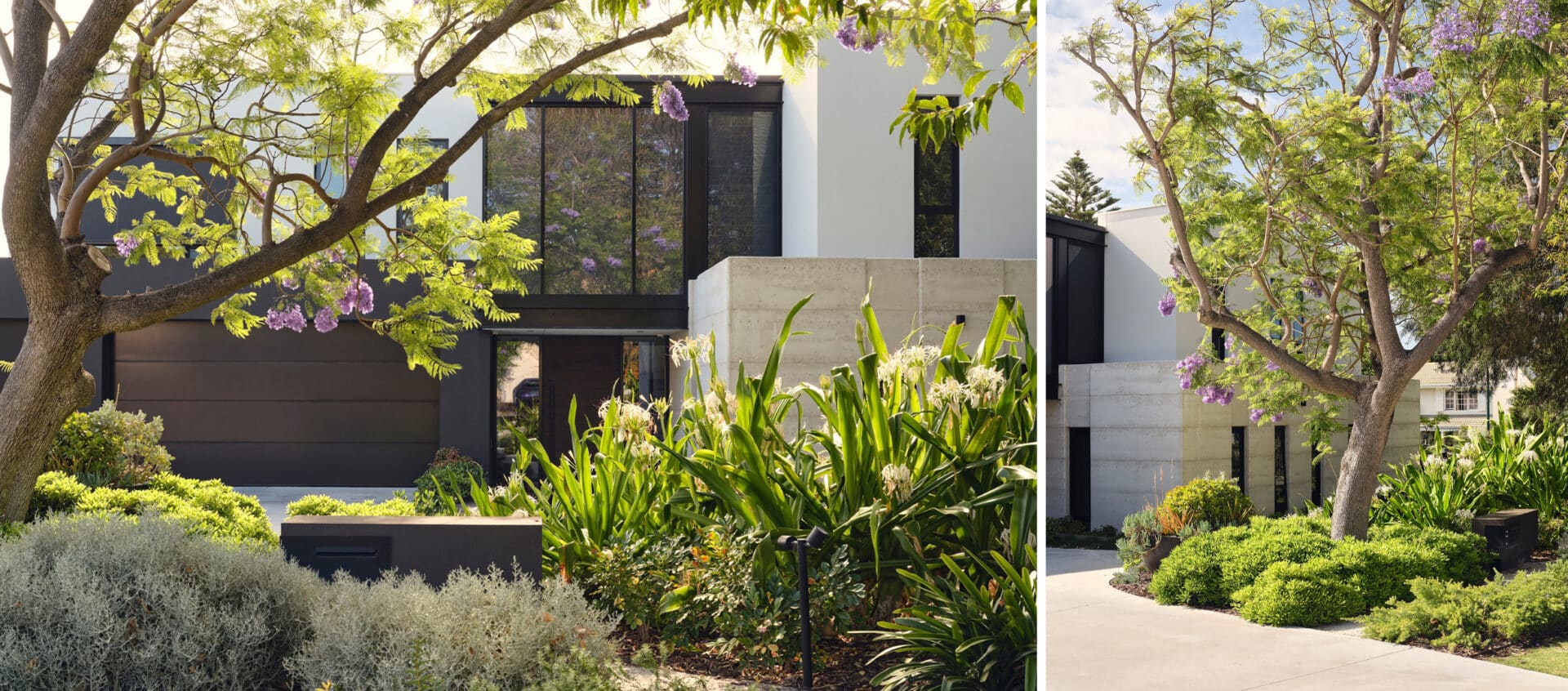
By incorporating planting at multiple heights, layered garden designs ensure colour, texture and interest can be enjoyed from different viewpoints throughout the landscape. Projects such as the Brentwood Residence showcase how a thoughtfully layered planting palette can create a rich, sophisticated garden that feels both visually dynamic and beautifully cohesive.
Integrating Colour with Architecture
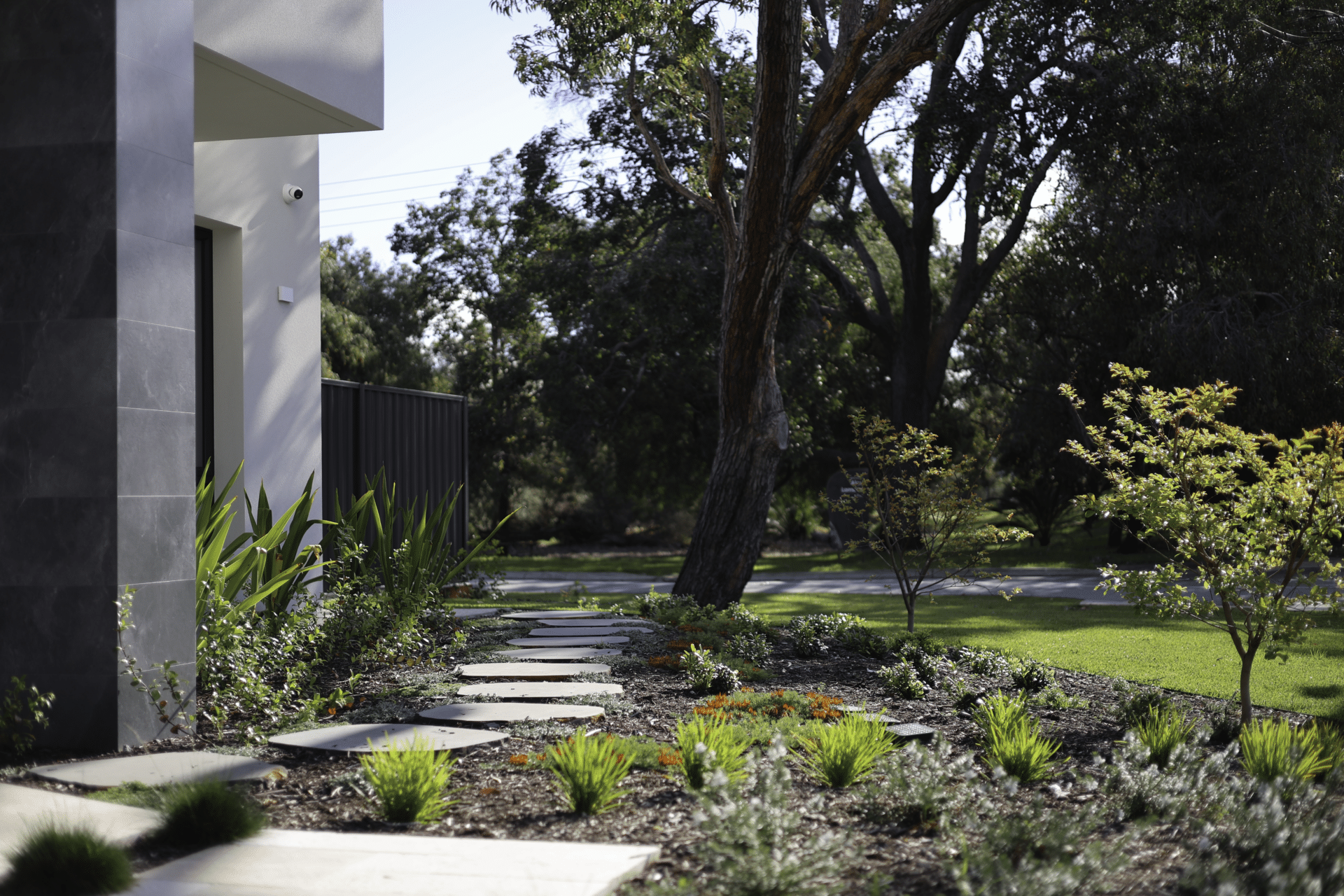
Planting design should respond thoughtfully to the architecture it surrounds, creating a seamless connection between the built form and the landscape. Contemporary homes often feature materials such as concrete, natural stone, steel and rendered finishes, which can feel refined and structured. Carefully selected planting introduces softness, texture and movement, balancing these architectural elements and bringing warmth to the overall environment.
Light-toned foliage can brighten outdoor spaces and soften strong architectural lines, while rich green planting provides depth, visual grounding and contrast. The strategic use of colour, form and texture helps highlight key architectural features without overwhelming them. Rather than competing for attention, planting serves as an organic counterpoint to the home, allowing the architecture and landscape to complement one another as a unified composition.
This relationship is exemplified in our City Beach project, where the planting palette and layered composition were carefully curated to reinforce the architectural vision, creating a landscape that feels cohesive, welcoming and enduringly timeless.
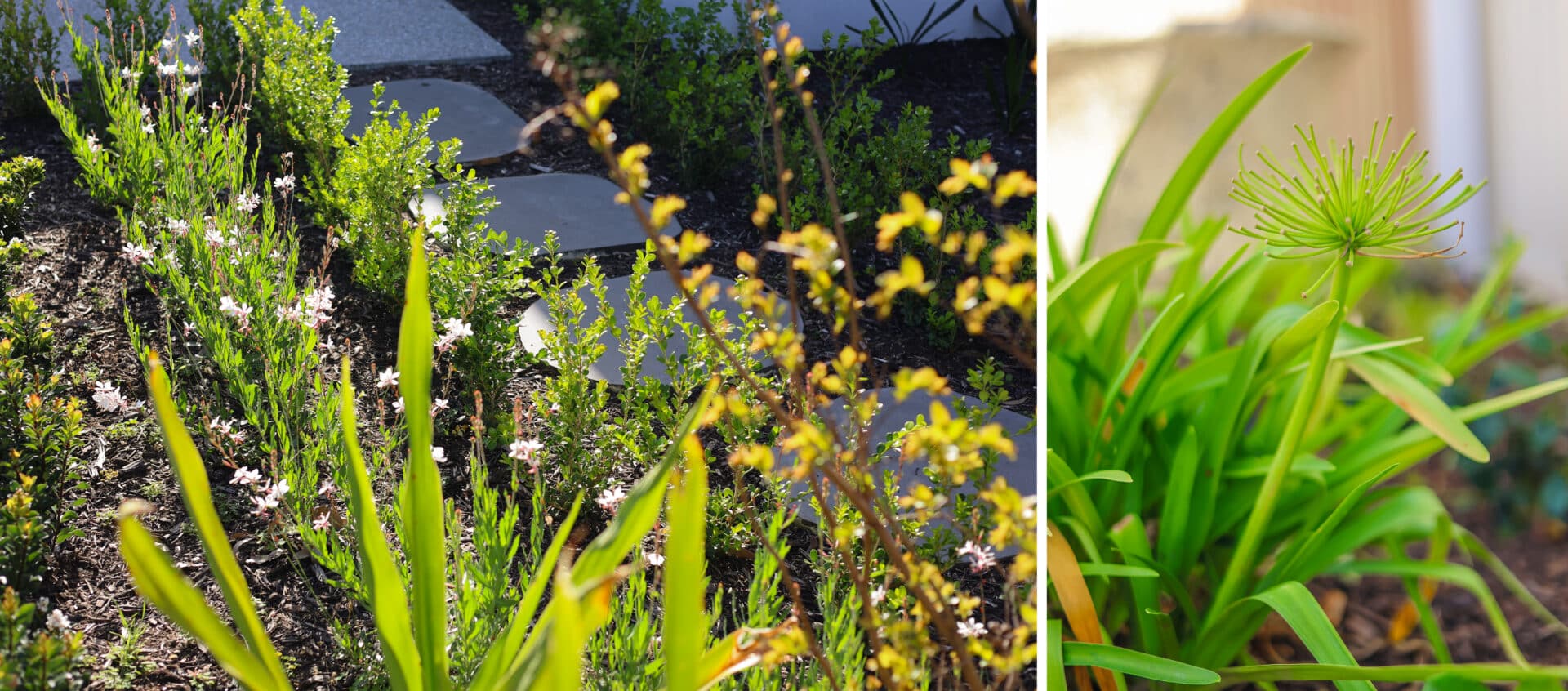
Texture as the Foundation of Lasting Colour
While seasonal flowering brings moments of colour and impact, it is texture that provides lasting visual interest throughout the year. Fine, delicate foliage introduces softness, movement and lightness, while bold architectural plants create structure, presence and visual definition. Variations in leaf shape, scale, density and growth habit add layers of depth and complexity, enriching the landscape long after flowers have faded.
A well-considered planting palette balances colour with texture to create a dynamic and engaging garden experience across every season. By relying on a diverse mix of foliage forms and plant structures, landscapes maintain year-round appeal while reducing dependence on short-lived flowering displays. The result is a garden that feels sophisticated, resilient and visually compelling regardless of the time of year.
Designing Colour for Longevity
At TDL, planting is selected for how it performs over time. Considering maturity, structure and seasonal change ensures landscapes become richer as they establish, not more demanding. The result is a garden that remains balanced, resilient and visually compelling throughout the year.
Careful consideration of plant maturity, growth habits and seasonal transitions ensures gardens become richer, more balanced and cohesive as they establish. Rather than relying solely on short-lived flowering displays, enduring colour is achieved through a thoughtful mix of trees, shrubs, perennials and groundcovers that deliver texture, contrast and interest throughout every season.
Maximise Every Season: A Timeless Approach to Garden Colour
The most successful gardens are anchored in structure and designed to evolve across every season. By focusing on layering, foliage and texture, landscapes create a strong foundation that ensures colour, balance and visual interest are maintained year-round. As the seasons shift, the garden reveals depth through subtle changes in tone, form and density. Each element works together to create a cohesive and enduring landscape, resulting in a garden that feels refined, resilient and connected to its setting through every season.